
Recommerce: Redefining Sustainability and Affordability in the Digital Age
By: Joel Friedman
In today’s fast-paced world, technology is constantly evolving, leading to a constant influx of newer and more advanced devices in the market. As a result, these gadgets become obsolete within just a few years. This exacerbates the growing electronic waste (e-waste) problem, contributing to environmental pollution and resource depletion. To combat this issue and promote sustainable practices, technology recommerce has emerged as a viable solution.
What is Technology Recommerce?
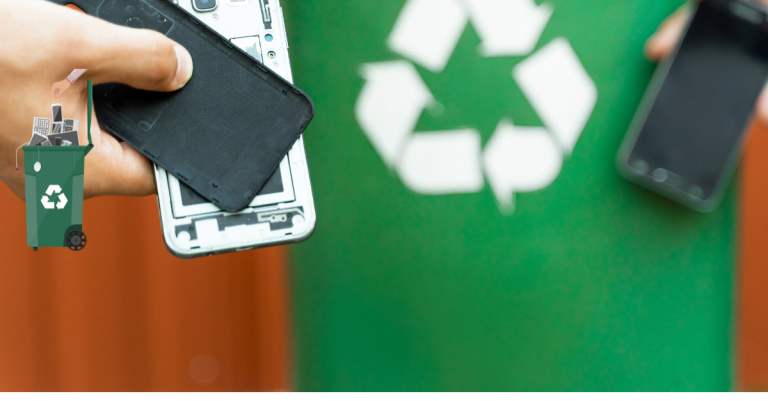
Technology recommerce, also known as tech recommerce or electronics recommerce, refers to the process of buying, refurbishing, and reselling used electronic devices and gadgets. These devices include smartphones, laptops, tablets, gaming consoles, smartwatches, and more. Some view outdated, obsolete technology as trash, but for others it is treasure and has value. Rather than disposing of old gadgets, recommerce platforms and businesses give them a new lease on life by repairing and refurbishing them for resale.
The recommerce industry has gained momentum in recent years as a result of the rising awareness of e-waste’s environmental impact as well as the increasing scarcity of raw materials. The recommerce concept closely aligns with the principles of the circular economy, which aims to minimize waste, extend the lifespan of products, and maximize resource efficiency.
Benefits of Technology Recommerce
Environmental Impact
The most prominent advantage of technology recommerce is its positive impact on the environment. By encouraging the reuse of electronic devices, the industry significantly reduces the volume of e-waste that would otherwise end up in landfills or be incinerated, releasing harmful toxins into the environment. By extending the life of electronic devices, recommerce helps conserve precious raw materials and reduces the carbon footprint associated with manufacturing new gadgets.
Cost Savings
Recommerce provides an affordable option for consumers and business who may not be able to afford or do now want pay full price for brand-new devices. Refurbished gadgets are usually offered at a lower cost and suit the consumer’s needs just fine thus making technology more accessible to a broader population. Additionally, by selling their old devices through recommerce platforms, consumers can earn some money to offset the cost of upgrading to newer models.
Data Security
Reputable recommerce platforms (such as ITADUSA, Teladvance, and Avail Recovery) ensure that data from the previous owners is securely erased from the devices before resale. This process safeguards users’ personal information and prevents potential data breaches, ensuring a safe and worry-free experience for buyers.
Challenges and Solutions
Quality Assurance
One of the primary concerns for consumers considering recommerce is the quality of refurbished devices. To address this, reputable recommerce businesses perform rigorous testing and quality checks before listing products for sale. Many also offer warranties or guarantees to provide buyers with peace of mind.
E-Waste Handling
While recommerce reduces e-waste, it doesn’t eliminate it entirely. Some devices may be beyond repair or too outdated to resell. To counter this, recommerce platforms often have partnerships with responsible e-waste recycling facilities such as Echo Environmental, ensuring proper disposal of irreparable devices.
Consumer Perception
Building trust and confidence among consumers is essential for the recommerce industry to thrive. Oftentimes, misconceptions about refurbished products being of lower quality persist. Educating consumers about the refurbishment process and highlighting the benefits of recommerce can help overcome these negative perceptions.
The Role of Recommerce in a Sustainable Future
Technology recommerce is a critical component of achieving a sustainable future in the digital age. By promoting the circular economy model, it aligns with the United Nations Sustainable Development Goals (SDGs) related to responsible consumption and production, climate action, and life below water and on land.
Recommerce businesses contribute to reducing electronic waste, which is a significant environmental concern. According to the Global E-waste Monitor 2020, the world generated 53.6 million metric tons of e-waste, and only 17.4% was officially documented as recycled. By refurbishing and extending the lifespan of electronic devices, recommerce plays a vital role in tackling this growing challenge.
Moreover, technology recommerce encourages sustainable consumer behavior. As people become more aware of the impact of their choices on the environment, they are increasingly turning to recommerce platforms as a way to support eco-friendly practices. By opting for refurbished gadgets, consumers actively participate in reducing waste and lowering their carbon footprint.
Furthermore, recommerce fosters a sense of responsibility among manufacturers. As recommerce gains popularity, some tech companies are reevaluating their product designs and materials to make devices more durable, repairable, and easier to refurbish. This shift towards a circular approach benefits both the environment and the consumer, as devices become more reliable and sustainable over time.
Technology recommerce represents a transformative solution that addresses the dual challenges of electronic waste and accessibility to technology. By refurbishing and reselling used devices, the recommerce industry promotes a circular economy, reducing the environmental impact of e-waste and conserving valuable resources. It not only benefits the environment but also offers cost-effective options to consumers, bridges the digital divide, and encourages responsible consumer behavior.
By collectively embracing recommerce, we can pave the way for a more environmentally friendly and accessible digital landscape.